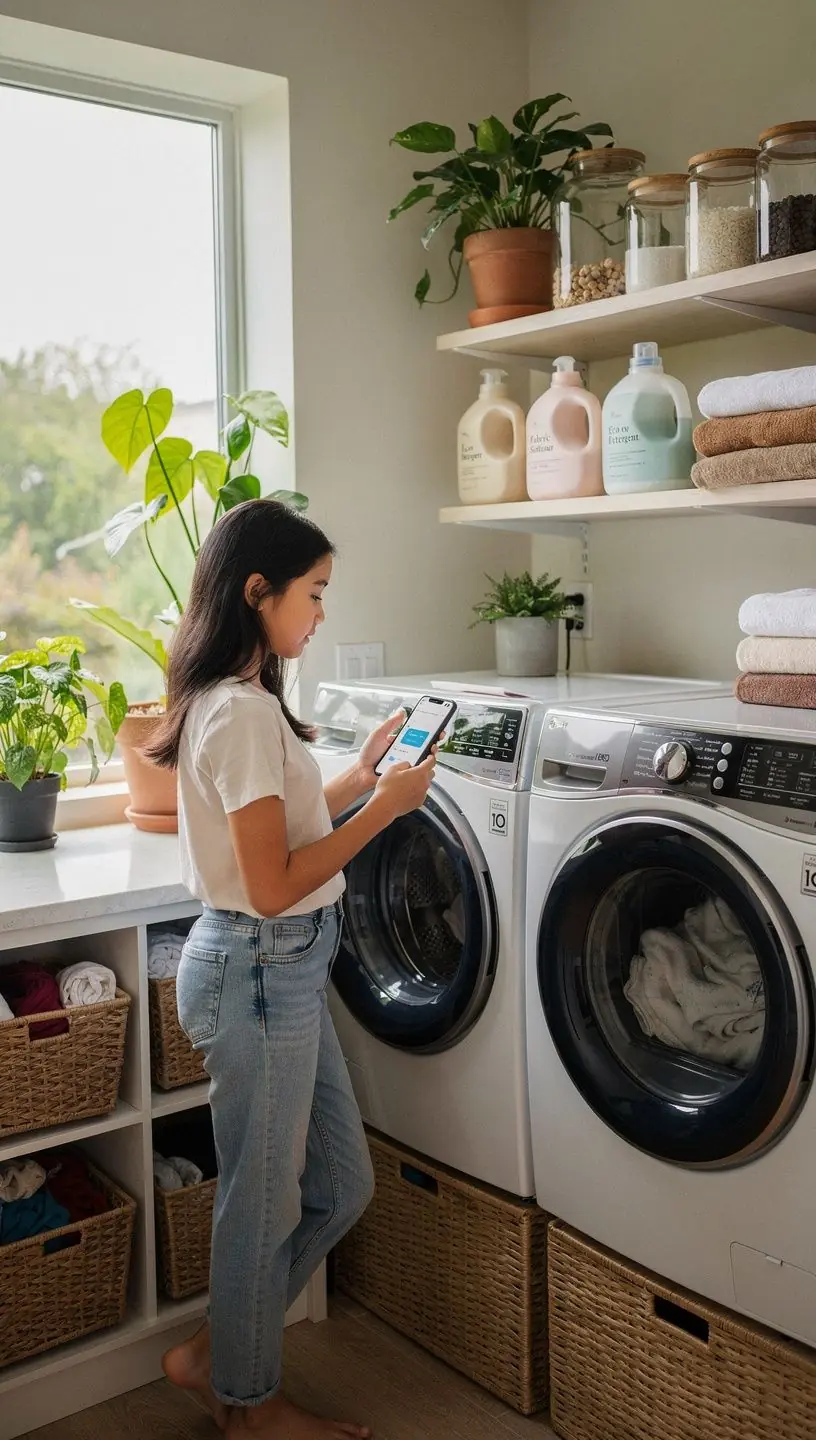
How to Leverage Data for Home Efficiency
In today's digital age, many households can enhance their efficiency by leveraging data. This article explores practical strategies to utilize data effectively, leading to improved home management and resource savings.
Understanding the Basics
Data-driven decision-making refers to the practice of collecting and analyzing data to inform choices. According to industry research, homes that integrate data insights can experience significant improvements in energy consumption and overall efficiency. Understanding the principles behind data utilization is crucial for achieving these benefits.

"Homes that actively use data to manage resources report reductions in energy costs by up to 25%." - Energy Efficiency Experts
Types of Data to Consider
Several types of data can be leveraged for home efficiency:
- Energy Consumption Data: Monitoring energy usage can identify peak times and areas of waste.
- Temperature Patterns: Collecting temperature data allows for better HVAC control, optimizing indoor comfort.
- Appliance Performance: Tracking the efficiency of appliances can highlight those that may need replacement or servicing.
Practical Application
Implementing data for home efficiency typically involves the following steps:
- Install Smart Meters: Consider installing smart meters that provide real-time data on energy usage. Many users report that these devices help them adjust their habits, leading to lower bills.
- Use Home Automation Systems: Automation systems can analyze patterns and adjust settings based on data collected over time. For instance, adjusting heating or cooling based on usage trends can lead to significant savings.
- Regularly Review Collected Data: Set aside time weekly or monthly to review energy and performance data. This practice can help identify trends and areas for improvement, ensuring informed decisions are made over time.
Challenges to Consider
While leveraging data can lead to substantial benefits, it’s essential to acknowledge potential challenges:
- Initial Setup Time: Collecting and analyzing data typically requires a time commitment to set up systems properly. Expect this process to take 2-4 weeks.
- Learning Curve: Adopting these technologies may involve a learning curve, especially for those unfamiliar with smart devices.
- Data Privacy Concerns: Be mindful of privacy implications associated with data collection. Ensuring that devices are secure is paramount.
Conclusion
In conclusion, leveraging data for home efficiency is a process that can yield significant savings and improved resource management. By understanding the types of data available and applying practical strategies, homeowners can make informed decisions that enhance their living environments. Overall, while challenges exist, the long-term benefits of a data-driven approach to home efficiency are well worth the effort.
Learn More