Exploring Sustainable Living Through Automation
As society increasingly shifts towards sustainability, many individuals are looking for ways to integrate eco-friendly practices into their daily lives. One effective approach is to utilize automation technologies that not only enhance convenience but also promote sustainable living.
Understanding the Basics of Sustainable Automation
Automation refers to the use of technology to perform tasks that would otherwise require human intervention. In the context of sustainable living, it can significantly reduce resource consumption and improve efficiency. For instance, smart home devices can optimize energy usage by adjusting settings based on occupancy and time of day. According to research, homes equipped with smart technology can save up to 30% on energy bills.
"The integration of automation in sustainable practices can lead to significant environmental benefits, as well as cost savings." – Industry Experts
Practical Applications of Automation for Sustainable Living
- Smart Thermostats: These devices learn your heating and cooling preferences over time, adjusting automatically to optimize energy usage. They typically require a brief adjustment period, but many users report a reduction in energy consumption of around 10-15%.
- Automated Lighting Systems: By utilizing motion sensors and timers, automated lighting can significantly decrease electricity usage. Studies find that homes using such systems can reduce energy consumption by as much as 20%.
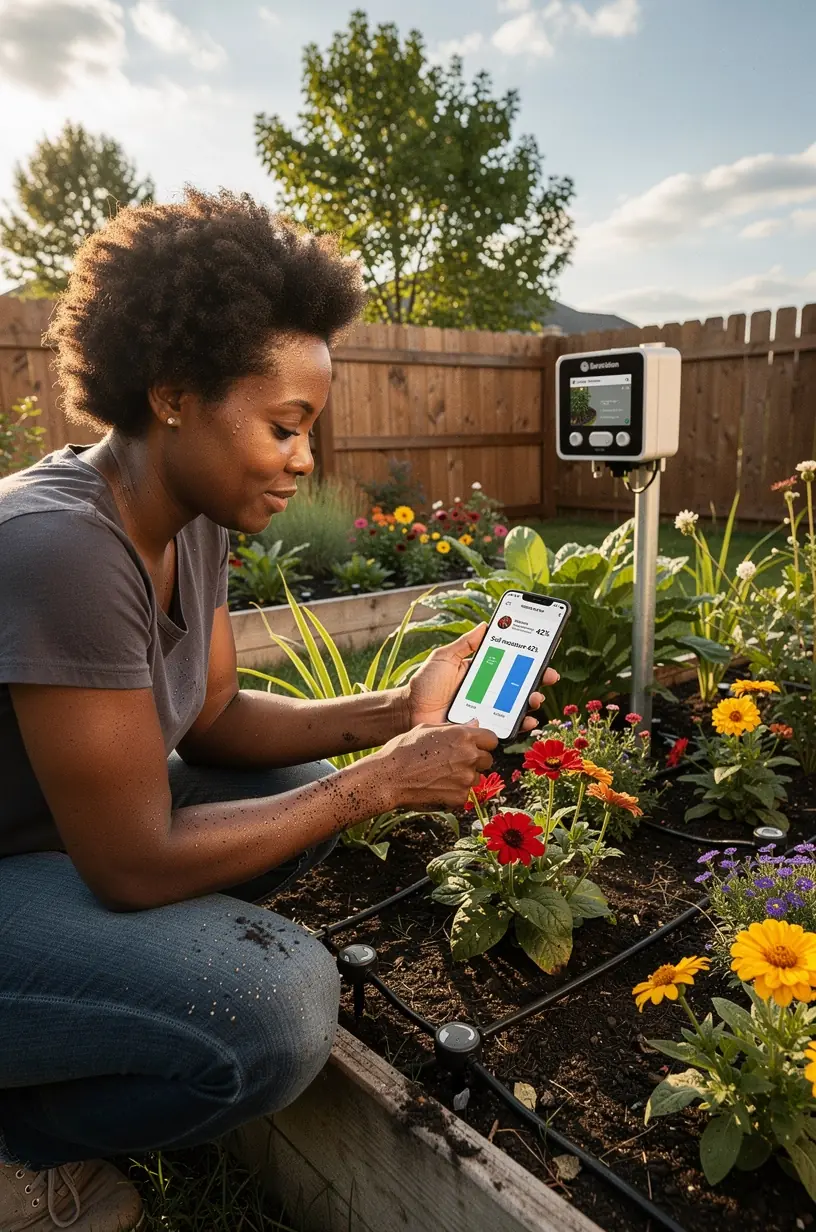
- Irrigation Management: Smart irrigation systems can adapt watering schedules based on weather conditions and soil moisture levels, which may lead to a 30-50% reduction in water usage compared to traditional methods.
The Importance of Integrating Sustainable Practices
Integrating automation into sustainable living is not only about convenience; it also holds the potential for a substantial environmental impact. Automation can help individuals reduce waste, conserve resources, and lower their carbon footprint. However, it is essential to understand that these systems may require initial setup time and ongoing maintenance. Users should be prepared for a learning curve as they adapt to new technologies.
Setting Realistic Expectations
While the benefits of automation in promoting sustainable living are evident, it’s important to set realistic expectations. Results from various automation implementations can vary based on individual usage patterns, device compatibility, and initial investment costs. For example, users may start to notice energy savings within the first few months, but maximum efficiency typically requires consistent adjustments and monitoring over time.
Conclusion
By leveraging automation technologies, individuals can contribute to sustainable living practices that align with modern lifestyles. As research continues to support the benefits of these technologies, it becomes increasingly clear that integrating automation can lead to both economic and environmental advantages. As you consider incorporating automation into your daily routine, remember that thoughtful implementation is key to achieving the desired outcomes.