Integrating Smart Lighting for Mood and Efficiency
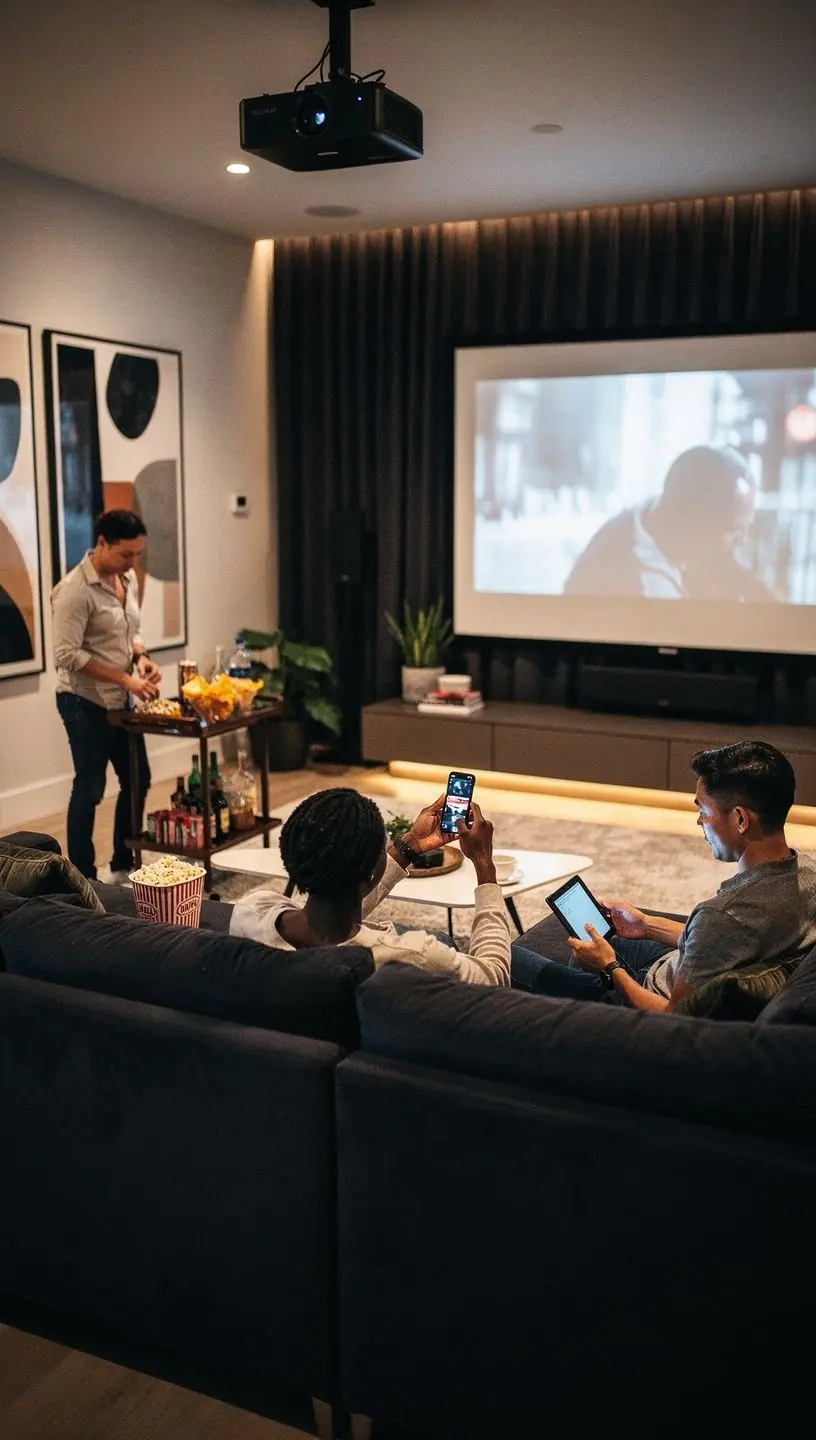
Smart lighting systems have become increasingly popular in modern homes, offering not only convenience but also the potential to enhance mood and improve energy efficiency. This article explores how integrating smart lighting can create a more comfortable and productive environment.
Understanding Smart Lighting
Smart lighting refers to lighting systems that can be controlled remotely through smartphones or voice-activated devices. According to research, these systems can help reduce energy consumption by up to 30% when used efficiently. The principle behind smart lighting is its ability to adapt to the needs and preferences of users, allowing for personalized lighting schedules and settings.

"Smart lighting not only enhances comfort but can also lead to significant energy savings when utilized properly." – Lighting Industry Expert
Benefits of Smart Lighting
Integrating smart lighting into your home can provide various benefits:
- Mood Enhancement: Smart lights can adjust color temperature and brightness, which studies indicate can influence mood and productivity. For instance, cooler tones are often associated with increased alertness, while warmer tones can promote relaxation.
- Energy Efficiency: Many users report that smart lighting has decreased their electricity bills by automating lighting schedules. These systems can turn off lights in unoccupied rooms or adjust brightness based on the time of day.
- Convenience: With the integration of voice control and mobile apps, managing lighting becomes effortless. This is particularly beneficial for individuals with mobility challenges or those who want to enhance home security.
Implementation Steps
Integrating smart lighting into your home typically requires several steps:
- Assess Your Needs: Evaluate which areas of your home would benefit the most from smart lighting. Living rooms and home offices are often top priorities.
- Choose the Right Products: Research and select smart bulbs and switches that fit your specific requirements. Look for products that are compatible with your existing home automation systems.
- Installation: Smart lighting installation can usually be done by the homeowner, but some setups may require professional assistance. It’s essential to follow manufacturer guidelines for the best results.
- Set Up Control Options: After installation, configure the associated app or voice control settings to personalize your experience.
Potential Challenges
While integrating smart lighting can be beneficial, it’s essential to consider potential challenges:
- Initial Costs: The upfront investment for smart lighting products can be higher than traditional options, although many users find that energy savings offset these costs over time.
- Compatibility Issues: Some smart lighting products may not work seamlessly with existing home automation systems. Researching compatibility beforehand can help mitigate this issue.
Conclusion
Integrating smart lighting can significantly enhance the ambiance and functionality of a living space. By understanding how these systems work and considering the potential challenges, homeowners can create a more efficient and enjoyable environment. As energy efficiency becomes increasingly important, smart lighting represents a practical option that many users find valuable for modern living.